
You are stepping out of the shower, towel in hand, and the thought crosses your mind: I really should check my breasts. Then the day takes over, and the thought goes back where it came from, usually right next to the dentist appointment and the car service.
Most of us know we are supposed to do it. Far fewer of us feel confident about how, or what we are even looking for. So consider this your permission slip. With October being Breast Cancer Awareness Month, it is a good time to start, and a breast self-check takes a few minutes. It is less about hunting for something wrong and more about getting to know what is normal for you.
In short: many breast changes turn out to be harmless, but a new or unusual change is worth getting checked. A self-check helps you notice changes, and your GP helps you make sense of them.
You do not need a medical degree for this
Your breasts are not the same from one week to the next. They shift with your cycle, with pregnancy, with breastfeeding, and again with menopause. When you know your own normal, a new or unusual change may be easier to notice, much like spotting a new crack in a wall you walk past every day.
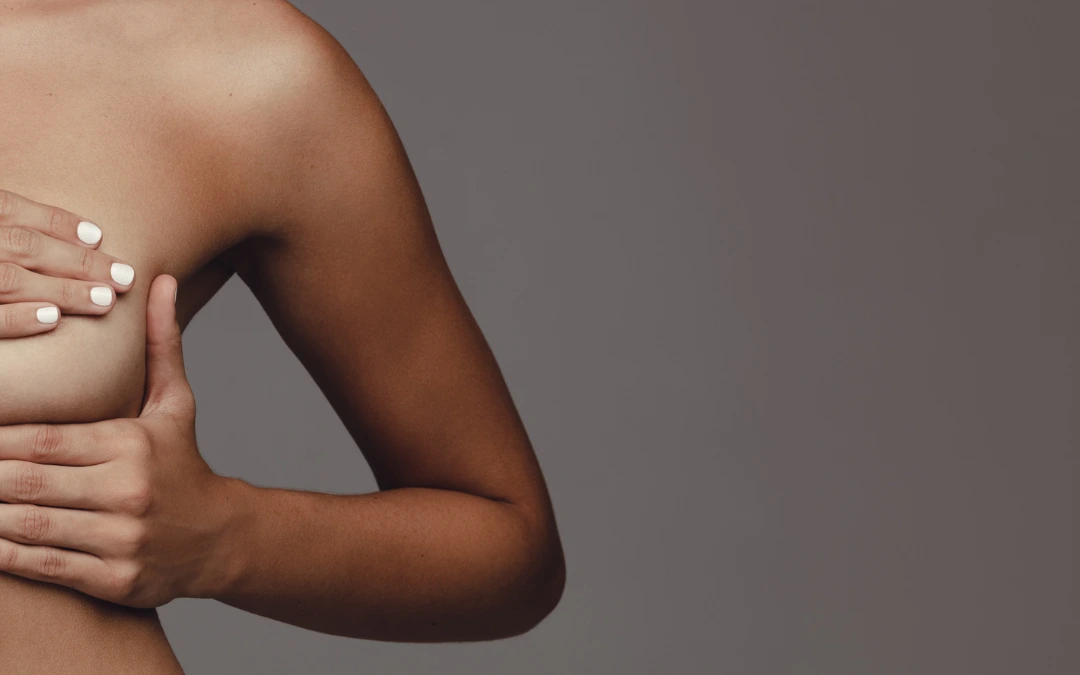
Stand in front of a mirror with your arms relaxed by your sides and simply look, then raise your arms overhead and look again. You are taking in the usual size, shape and skin.
Then comes the feel. Lie down with a pillow under one shoulder and that arm raised, then use the pads of your three middle fingers to make small, gentle circles. Start with light pressure, move to medium, then a little firmer, so you are feeling the different depths of breast tissue. Cover the entire breast, including up towards the collarbone and into the armpit, where you are checking for any new lump or swelling. Then swap sides. You can do the same circles in the shower too. Take your time and work through each breast and underarm area systematically, rather than rushing.
What you are actually looking for
This is the part that makes most people nervous, so here it is plainly. You are paying attention to anything that is new and does not settle: a new lump or area of thickening; dimpling or puckering of the skin; new redness, scaling or other skin changes; changes in the nipple, including new inversion; new or unusual nipple discharge, particularly if it is spontaneous or blood-stained; a change in the size or shape of either breast; a new lump or swelling in the armpit; or persistent pain in one area.
Tenderness or lumpiness that comes and goes with your cycle is common. Many breast changes are caused by benign conditions, hormonal changes or other causes that are not cancer. Finding a change does not automatically mean it is cancer, but it is still worth getting checked. A lump does not have to be painful to be worth checking, so do not wait for it to hurt before speaking to your GP. Our post on the early warning signs of cancer covers what else is worth keeping an eye on.
If you do notice something
Finding a change can make your stomach drop, so it helps to know what comes next. At the appointment, your GP will ask what you noticed and when, talk through your family history, and examine you. From there, they may suggest further tests, or ask you to come back for a recheck.
A habit, not a test
There is no pass or fail here. If you have periods, you may find it easier to check at a similar point in your cycle each month, when breasts are less swollen or tender, generally around a week after your period. Consistency matters more than the exact day. After menopause, pick a date you will remember, such as the first of the month. If you have had breast surgery or a biopsy, your normal may look different afterwards, and your GP can help you get to know it again.
A self-check is not a screening test
A self-check is about breast awareness, meaning getting familiar with what is normal for you and noticing new or persistent changes. It does not replace recommended screening or clinical assessment, and any new or unusual change should be assessed by a healthcare professional.
If you have a close family history of breast cancer or other risk factors, your GP can help assess your individual risk and advise whether you need a different screening plan. A chat with the women in your family (your mum, aunts or sisters) can fill in that picture. It is one of the reasons preventative screenings belong in your annual health routine, and why regular check-ups matter.
A few minutes for you
If you are not sure you are doing it right, our GPs at Take Care Clinic in Lonehill, Johannesburg, are happy to help. You can book a check-in if you would like to talk through your own breast health or screening needs.
Frequently asked questions
How often should I check my breasts?
We recommend a regular monthly check, at a similar time each month.
Does a self-check replace a mammogram or a GP visit?
No. It helps you become familiar with your breasts, but it does not replace recommended screening or a visit to your GP.
What should I do if I find a lump?
Try not to panic. Many breast lumps are caused by benign conditions, but any new lump should be assessed by a healthcare professional, so book a visit with your GP.